

Sentinel present at UKPTS Annual Conference 2026
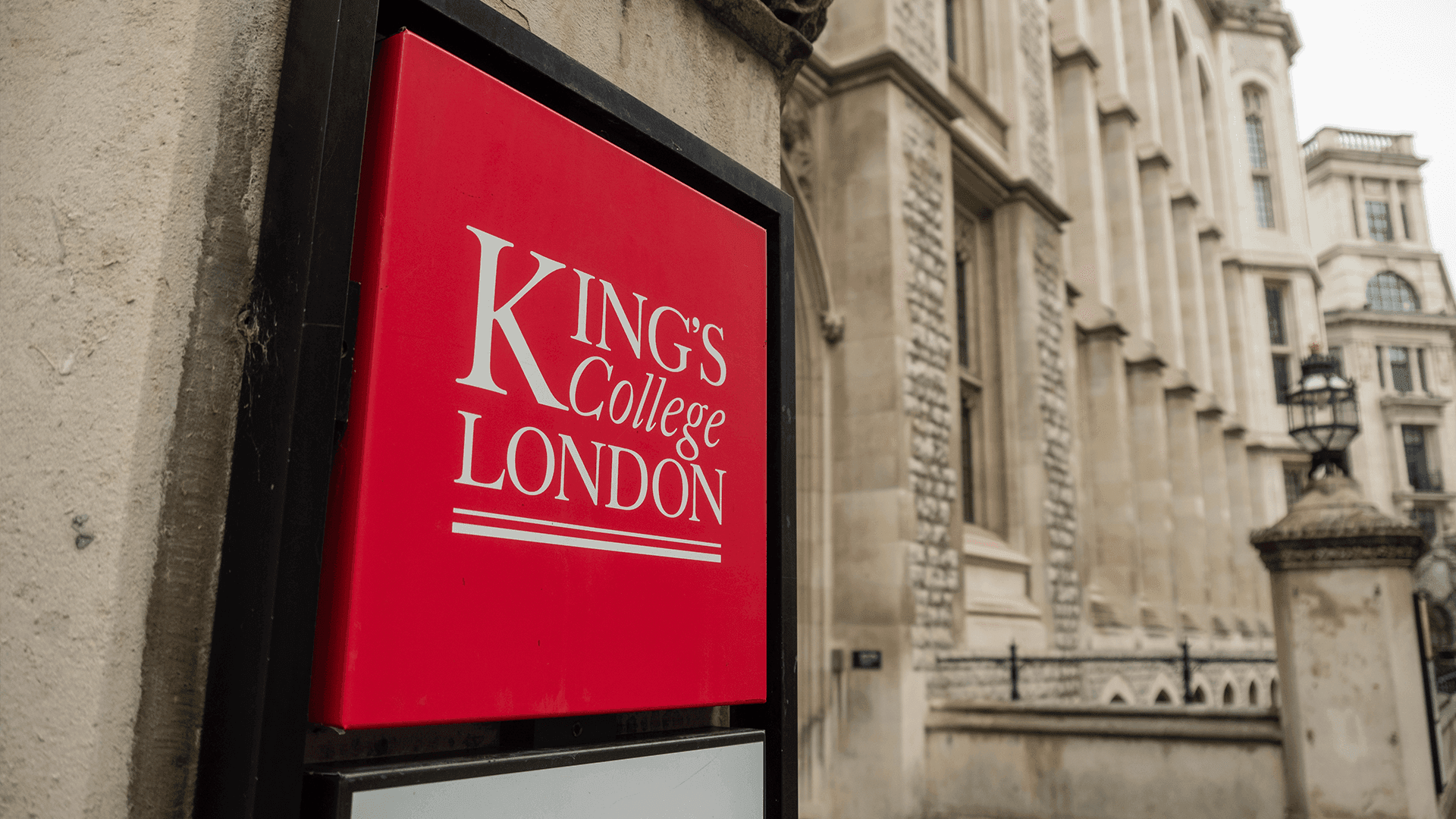
On Monday 26 January 2026, Dr Nicola Cogan presented on behalf of the Sentinel research team at the University of Strathclyde at the UKPTS Annual Conference, The Burden of Care: Trauma and Moral Injury in the UK Public Sector, held at King’s College London.
The conference, hosted by the UKPTS, brought together researchers, clinicians, policymakers and practitioners to explore trauma and moral injury among the UK public sector workforce, including NHS staff, police, prison officers and other frontline workers. Against a backdrop of prolonged austerity, increasing service demand and the enduring impact of the COVID-19 pandemic, the event highlighted growing evidence linking trauma exposure and moral injury to burnout, compassion fatigue, and challenges in workforce recruitment and retention. The wellbeing of public sector workers was positioned as a critical societal priority.
Dr Cogan delivered the presentation “Sentinel: A Multi-Phase, MHRA-Approved Digital Intervention to Prevent Trauma and Acute Stress and Build Resilience in Frontline Workers” on behalf of the Sentinel team. The presentation outlined a collaborative, interdisciplinary research programme led at the University of Strathclyde and developed in close partnership with frontline workers, clinicians and academic researchers.
Dr Cogan leads this research alongside Dr Alison Kirk from the Physical Activity for Health group at the University of Strathclyde. Together, the team brings complementary expertise spanning trauma psychology, public health, physical activity, and participatory research, with a shared focus on prevention, resilience and sustainable wellbeing in high-risk occupational settings.
The Sentinel programme was presented as a trauma-informed, UKCA-marked, MHRA-approved digital medical device co-created with frontline workers. Unlike generic wellbeing applications, Sentinel delivers immediate, personalised and sector-specific support through its Just for You feature—an AI-driven system that dynamically adapts evidence-based therapeutic techniques to a user’s emotional state in real time. Central to the programme is the integration of lived experience, ensuring frontline voices shape the design, delivery and evaluation of the intervention at every stage.
The presentation described Sentinel’s phased research programme. Early qualitative interviews and co-design workshops identified confidentiality, immediacy and usability as critical requirements, directly informing app development. A large-scale concept validation survey involving over 500 participants confirmed acceptability and usability. Building on this work, a single-arm, repeated-measures feasibility study is currently underway across three NHS sites, delivering a six-week intervention and assessing safety, engagement and preliminary outcomes related to acute stress, resilience and psychological safety. Plans for a future randomised controlled trial and international pilots in Saudi Arabia, South Africa and Ukraine were also outlined, with local translation and co-creation supporting cultural relevance.
Findings presented on behalf of the Sentinel team demonstrated strong engagement and acceptability, with frontline staff highlighting confidentiality, lived experience and AI-driven personalisation as key strengths. Early signals indicated reductions in acute stress and improvements in emotional regulation and resilience, suggesting readiness for delivery at scale and progression to definitive trials.
The presentation concluded by highlighting Sentinel’s anticipated impact. At an organisational level, Sentinel aims to help sustain the public sector workforce, reduce attrition and mitigate the economic and human costs associated with burnout. The programme’s translational impact has already been recognised through the University of Strathclyde Strategic Impact Award (2025), positioning Sentinel as a leading example of research-driven, lived-experience-informed innovation.
The Sentinel team’s contribution closely aligned with the aims of UKPTS 2026, which sought to advance shared learning on prevention and treatment and to identify collective actions to better support those carrying the burden of care across the UK public sector.
https://ukpts.org/conference2026